
How to choose a house cleaning service: 7 questions
You are about to give a stranger a key to your home. Seven questions separate a company that has thought about that from one that has not — and the answers take about four minutes to collect. Here is each one, the answer you want, and the answer that should end the conversation.
- Employees or subcontractors is the question that decides who is liable in your home
- “Insured” and “bonded” are two different things, and most people only ask about one
- A rate under $35 per hour almost always means one of these answers is no
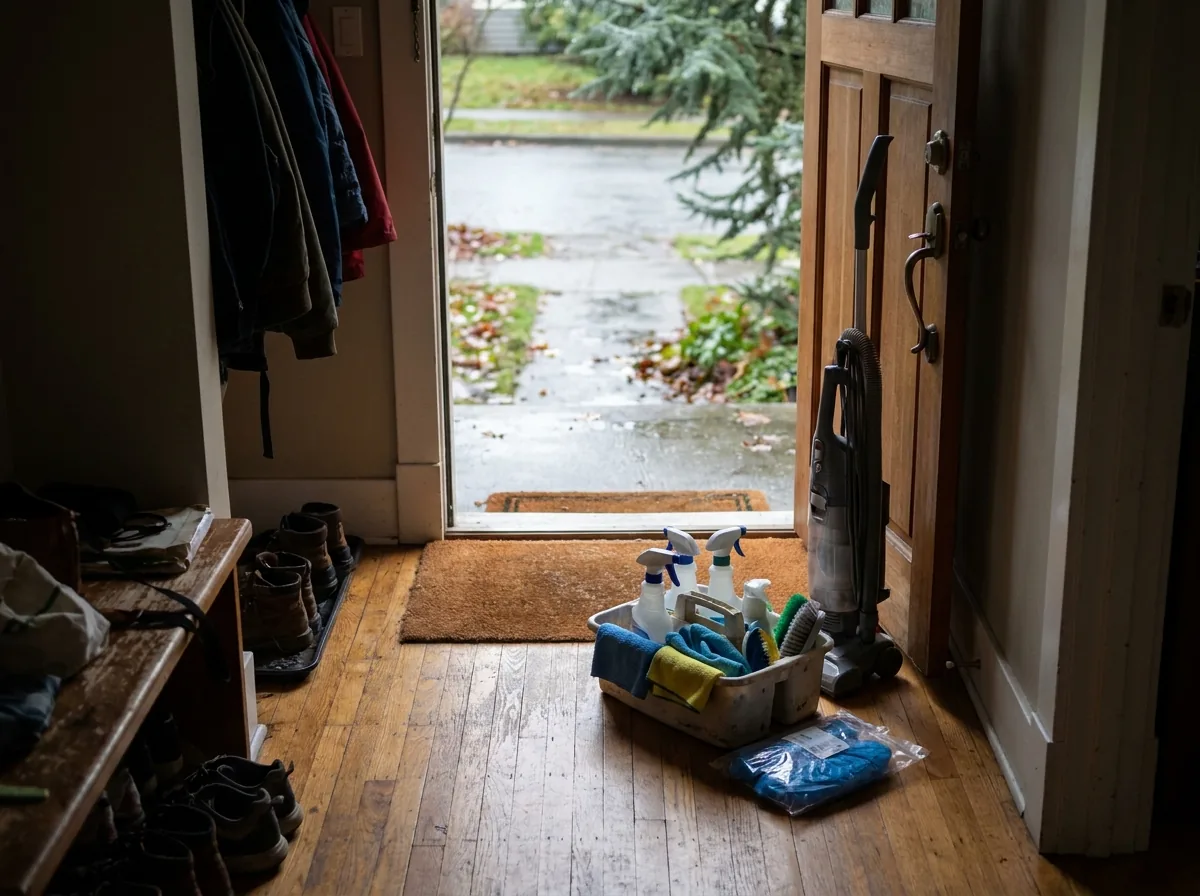
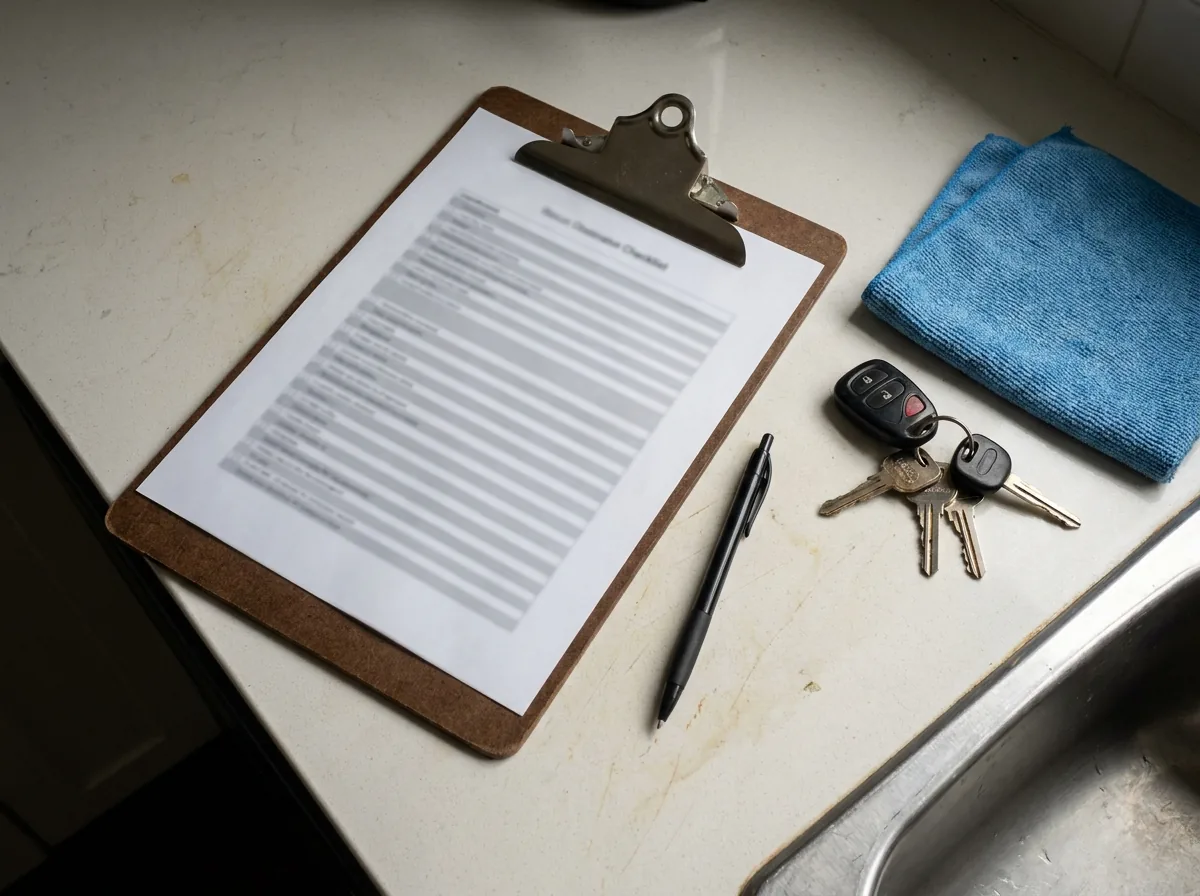
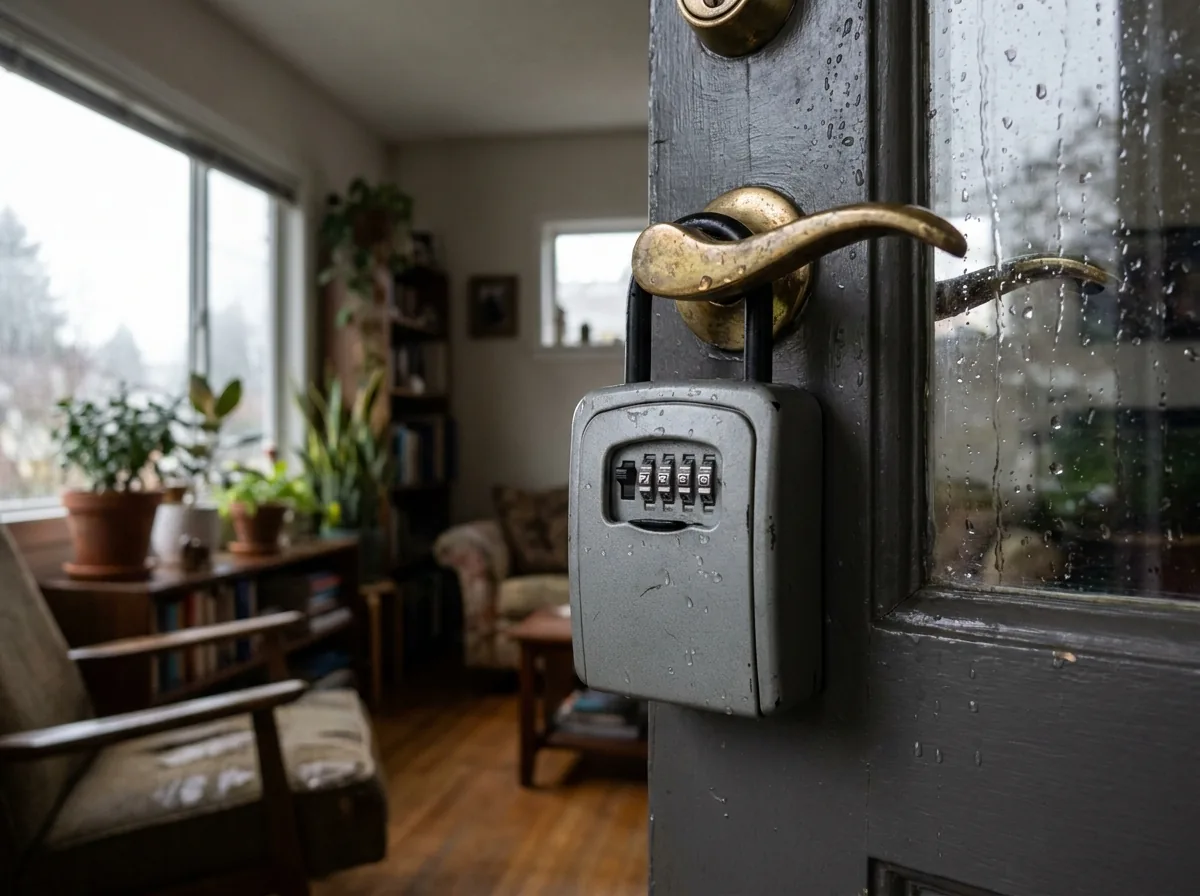
Ask these before anyone gets a key
You do not need to be difficult about it. Any company that has its house in order answers all seven in a single message, because they have been asked before.
Are your cleaners employees or subcontractors?
Are you insured and bonded? Can I see it?
Is everyone who enters my home background-checked?
Who holds my key, and how is it stored?
What exactly is included, in writing?
Is the price fixed before you start?
What happens if I am not happy with the result?
A real quote and a vague one read differently
You can usually tell within one message. A company that prices honestly shows you the arithmetic; one that does not shows you a figure.
Shows the working
- The hourly rate, per cleaner, stated as a number
- How many cleaners and how many hours they expect
- Questions asked first: bathrooms, pets, last professional clean
- What is excluded, named explicitly
- Products, equipment, travel and insurance all inside the rate
Shows you a number
- A single flat figure with nothing behind it
- “Starting from” with no indication of where it ends
- No questions asked about your home at all
- Call-out fees, fuel surcharges or minimum bookings in the small print
- A price well under the market with no explanation of how
Why the cheapest quote is usually the expensive one
Written for homeowners and renters in Metro Vancouver. Market figures and rates updated 14 October 2026.
Where the money goes, and why that explains the price
Insured companies in Metro Vancouver mostly sit between $40 and $60 per hour, per cleaner, and national franchises run higher still. Below about $35, something has been removed, and it is nearly always one of three things: the insurance, the background checks, or the employment relationship.
That is not a moral argument, it is arithmetic. Liability cover, bonding, workers’ compensation, payroll taxes, supplies and travel all come out of the same hourly figure. Strip them and you can quote twenty-five dollars an hour. Keep them and you cannot.
Employees or subcontractors: the question nobody asks
This is the first question on the list for a reason. A company that subcontracts has no employment relationship with the person standing in your kitchen. It cannot compel a standard, it usually cannot guarantee who turns up, and if that person is injured on your property the question of who is responsible becomes considerably more interesting than you want it to be.
In British Columbia, employees are covered by WorkSafeBC through their employer. A self-employed contractor may have arranged their own coverage, or may not have. You are entitled to ask which, and a straight answer is itself the signal.
Our answer, since we are asking you to ask it. Every cleaner who enters a home for us is our employee, on payroll and background-checked before their first job. We hold a City of Vancouver business licence and commercial general liability cover of one million dollars per occurrence and five million in aggregate, and we send the documents to anyone who asks — you, or your building manager. That is also why the same team returns to your home: we can schedule people we employ.
What actually arrives at your door
This is worth asking about too, and almost nobody does. A team should turn up with everything it needs: its own products, its own cloths, its own machines and a vehicle equipped to carry them. If a company asks whether you have a vacuum, the hourly rate you were quoted is not the whole price — you are also supplying the equipment.
It matters for a second reason. A properly equipped team can scale: three people, or four, or six, for a large home or a short deadline. A single cleaner arriving with a bucket cannot, no matter how good they are, and that is the difference between a 5,000 sq ft house finished in an afternoon and one that takes two days.
Everything our teams use is included in the rate: products, equipment, cloths, travel and the insurance. There is no supplies charge and no call-out fee, in any of the ten cities we serve.
Insured and bonded are not the same word twice
Liability insurance covers accidental damage — a dropped lamp, a scratched floor. Bonding covers theft by an employee. Companies say “fully insured” and most people hear both, when often only the first is true.
Ask for both, by name, and ask to see the certificate. The request is routine; any company that carries the cover has the document on hand and forwards it without a conversation about it.
What a rotating crew actually costs you
Price comparisons miss this because it is not on the invoice. A cleaning team that comes back to the same home learns it: which surfaces are delicate, where things go, which corner you actually care about. That knowledge is the whole product of a recurring service, and it resets to zero every time the crew changes.
A home cleaned by six different people over six months is cleaned to six different standards, and the only way to correct that is to re-explain it every time — which is work you are doing, unpaid, for a company you hired to save you work.
The one question that reveals the most
Ask how long since your home was last professionally cleaned, and see whether they ask you back. A company that quotes without asking is not estimating your home; it is quoting an average home and hoping yours is close to it.
That question decides whether you need a general clean or a deep clean, and getting it wrong is the most common reason people are disappointed by a cleaning service — including, in our own critical reviews, by us. It is also the reason we ask it before quoting rather than discovering it at your front door.
And the thing nobody warns you about: photographs
Most companies photograph their work for quality control, and that is reasonable. What is not reasonable is finding your living room on a company’s social media.
Ask what happens to the photos. The answer should include that they are never published without your written consent, that you can ask for them, and that you can ask for them to be deleted. Ours is written down rather than promised — the photo policy is a page on this site, not a sentence in a conversation.
In one line. Employees, insured and bonded with the certificate in hand, background checks, a named key holder, a written checklist, a fixed total before the visit, and a stated re-clean window. Seven answers, four minutes. If a company hesitates on more than one, the price was never the real number.
Our answers to all seven
Put us through the seven, then get a quote
Four steps, a real time slot and a written total — usually the same day.
Hiring a cleaner in Vancouver: your questions
What should I ask before hiring a house cleaning service?
Seven things, and they take about four minutes to ask. Are your cleaners employees or subcontractors? Are you insured and bonded, and can I see the certificate? Is everyone who enters my home background-checked? Who holds my key and how is it stored? What exactly is included, in writing? Is the price fixed before you start? And what happens if I am not happy with the result? A company that has its house in order answers all seven in one message, because it has been asked before.
What is the difference between insured and bonded?
Liability insurance covers accidental damage, such as a dropped lamp or a scratched floor. Bonding covers theft by an employee. They are separate cover and most people only ask about the first. Ask for both by name, and ask to see the certificate: any company that carries them forwards the document without a conversation about it.
Why does it matter if cleaners are employees or subcontractors?
Because it decides who is responsible in your home. A company that subcontracts has no employment relationship with the person in your kitchen: it cannot compel a standard, usually cannot guarantee who turns up, and if that person is injured on your property the question of liability gets complicated. In British Columbia, employees are covered by WorkSafeBC through their employer; a self-employed contractor may have arranged their own coverage, or may not have.
Is a cheap cleaning service worth the risk?
Insured companies in Metro Vancouver mostly charge between $40 and $60 per hour, per cleaner. Below roughly $35 something has been removed, and it is nearly always the insurance, the background checks or the employment relationship. That is arithmetic rather than judgement: those costs come out of the same hourly figure, so a lower figure means one of them is missing.
How do I know the quote will not change on the day?
Ask for it in writing before the visit, with the rate, the number of cleaners and the hours shown separately so you can check the arithmetic yourself. A quote that is a single flat figure with nothing behind it cannot be checked, and a price that only appears once a team is standing in your hallway is being negotiated at the worst possible moment for you.
Should I give a cleaning company a key to my home?
It is normal, and most recurring clients do, but ask how it is handled first. You want a named employee responsible for it, the key logged under a code rather than labelled with your address, and returned whenever you ask. A lockbox code or a building fob works just as well and keeps the key in your control.
What happens to photos a cleaning company takes of my home?
Most companies photograph their work for quality control, which is reasonable. Ask what happens next. The answer should be that they are never published without your written consent, that you can request them and that you can ask for them to be deleted. Ours is written down rather than promised: the photo policy is a page on this site, handled under Canada’s PIPEDA and British Columbia’s PIPA.
Ask us the seven. We answer in writing
Insurance certificate, bonding, who holds the key, what is included and what the total is. Send the questions and we send the answers — no quote required.
Or call (604) 754-8039 — we answer the same day.